 The world of art is a vast and intricate tapestry, woven with countless threads of human creativity and expression. The diverse types of art encompass a wide range of mediums, styles, and techniques, each offering a unique lens through which to view the world. From the timeless elegance of classical sculpture to the cutting-edge innovation of digital installations, art manifests in myriad forms, each with its own distinct character and purpose.
Visual Arts
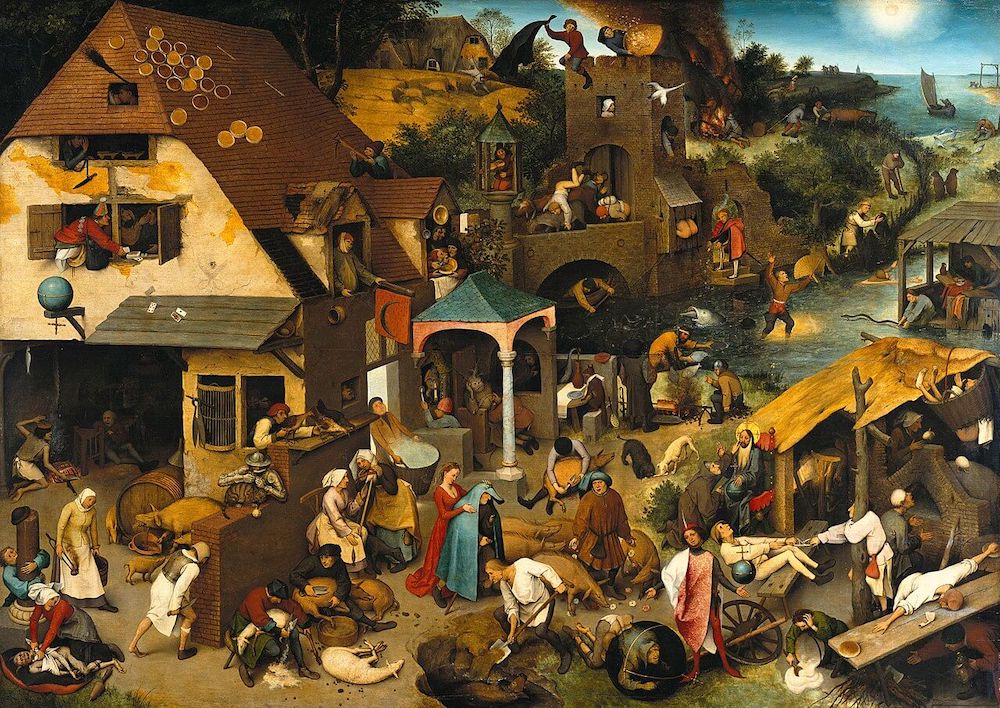
Visual arts are perhaps the most immediately recognizable form of artistic expression. This category includes painting, sculpture, and drawing, each with its own rich history and array of techniques. Paintings can range from the delicate brushstrokes of Impressionism to the bold abstraction of Expressionism. Sculpture, in its various forms, captures the three-dimensional essence of subjects, from the marble masterpieces of antiquity to modern, kinetic sculptures that move and interact with their environment.
Performing Arts
The performing arts encompass a dynamic range of disciplines, including theater, dance, and music. These art forms are characterized by their ephemeral nature, existing in the moment of performance and leaving a lasting impact on the audience. Theater combines narrative, acting, and stagecraft to create immersive experiences. Dance, with its expressive movement and choreography, communicates emotions and stories through the body. Music, the universal language, employs melody, harmony, and rhythm to evoke powerful emotional responses.
Literary Arts
The literary arts explore the power of the written word to convey complex ideas and emotions. This category includes poetry, prose, and drama. Poetry, with its concise and often rhythmic structure, distills language to its most potent form. Prose, encompassing novels, short stories, and essays, allows for extensive narrative development and character exploration. Drama, written for performance, bridges the gap between literature and theater, providing scripts that come to life on stage.
Applied Arts
Applied arts blend functionality with aesthetic appeal, encompassing fields such as design, fashion, and architecture. Design, whether graphic, industrial, or interior, focuses on creating visually pleasing and practical solutions for everyday needs. Fashion art combines creativity and craftsmanship to produce garments that reflect cultural trends and personal style. Architecture, the art of building, shapes our environments with structures that balance form and function, from soaring skyscrapers to intimate, human-scale spaces.
Fine Arts
Fine arts traditionally refer to disciplines that prioritize aesthetic value and creative expression. This includes painting, sculpture, and printmaking, often associated with the classical arts. Fine arts are distinguished by their focus on technique, composition, and the pursuit of beauty. This category celebrates the mastery of traditional skills and the creation of timeless works that transcend the constraints of their medium.
Digital and New Media Arts
In the contemporary era, digital and new media arts have emerged as vibrant fields of innovation. Digital art encompasses works created with digital technology, including digital painting, 3D modeling, and virtual reality experiences. New media art explores the intersection of art and technology, often incorporating interactive elements and multimedia components. These modern types of art challenge traditional boundaries and invite audiences to engage with art in novel and immersive ways.
Contemporary and Conceptual Arts
Contemporary art reflects the diverse and often provocative nature of modern society. This broad category includes installation art, performance art, and conceptual art. Installation art transforms spaces with site-specific works that invite interaction and contemplation. Performance art blends visual and performing arts, using the artist’s body as a medium. Conceptual art prioritizes ideas over aesthetics, challenging viewers to consider the nature and purpose of art itself.
Folk and Traditional Arts
Folk and traditional arts celebrate the cultural heritage and artisanal skills of communities around the world. These art forms include textiles, pottery, and folk music, each rooted in the traditions and practices of specific cultures. Folk arts often emphasize functionality, communal participation, and the transmission of skills and stories across generations. They provide a rich tapestry of cultural expression, preserving the unique identities and histories of diverse peoples.
Environmental and Land Art
Environmental and land art engage directly with the natural world, creating works that are integrated into landscapes. This type of art often addresses ecological concerns and the relationship between humans and nature. Artists may use natural materials or manipulate the landscape itself to create site-specific installations. These works can be ephemeral, changing with the seasons and elements, or permanent, altering the landscape in enduring ways.
The myriad types of art illustrate the boundless creativity of the human spirit. Each form offers a distinct perspective and mode of expression, contributing to the rich mosaic of cultural and artistic heritage. By exploring these diverse forms, we gain a deeper appreciation for the multifaceted nature of art and its profound impact on our lives. Whether through visual, performing, literary, or digital mediums, art continues to inspire, challenge, and connect us, reflecting the complexities and beauty of the human experience.