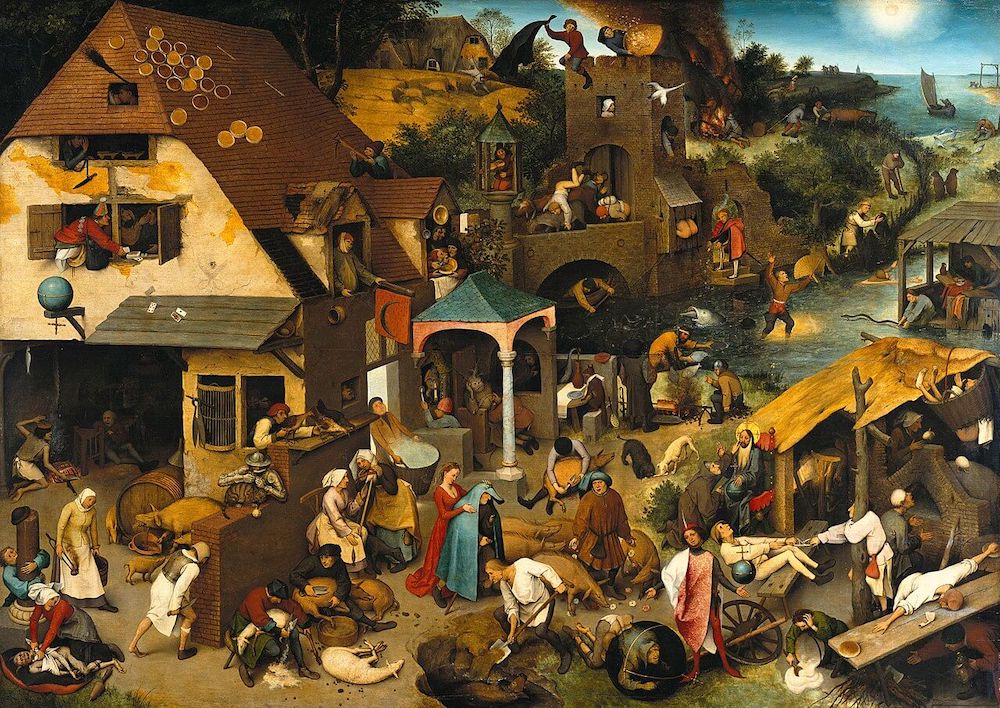
The History of Art is a fascinating narrative, weaving through the annals of human civilization. It chronicles the evolution of creativity, reflecting the myriad ways humanity has sought to depict the world and express the inexpressible. From the earliest cave paintings to contemporary digital installations, art has always been a mirror to society, capturing the essence of its times while pushing the boundaries of imagination and technique.
Prehistoric Beginnings
Our journey commences in the dim recesses of prehistory, where early humans adorned cave walls with rudimentary yet evocative images. These primordial artworks, found in places like Lascaux and Altamira, were not mere decorations. They were potent symbols, imbued with spiritual and ritualistic significance, offering glimpses into the lives and beliefs of our ancient ancestors.
The Dawn of Civilization
As societies transitioned from nomadic to settled lifestyles, the role of art expanded. In ancient Mesopotamia, Egypt, and the Indus Valley, art became a tool of statecraft and religion. Monumental structures, intricate sculptures, and elaborate frescoes served to glorify gods, commemorate rulers, and convey complex cosmologies. The artistry of these early civilizations laid the foundations for many artistic conventions and techniques that would endure for millennia.
Classical Antiquity
The classical period, encompassing the art of ancient Greece and Rome, marked a zenith in the development of artistic expression. Greek art, with its emphasis on proportion, harmony, and humanism, celebrated the beauty of the human form and the natural world. Roman art, while heavily influenced by its Greek predecessors, introduced innovations in architecture and engineering, as evidenced by the grandeur of the Colosseum and the Pantheon.
The Middle Ages
With the fall of the Roman Empire, Europe entered a period often termed the Dark Ages. However, this era was far from artistically barren. Medieval art, deeply intertwined with the Christian church, saw the rise of illuminated manuscripts, Byzantine mosaics, and Gothic cathedrals. These works, characterized by their symbolic richness and otherworldly beauty, sought to inspire devotion and convey divine mysteries.
The Renaissance
The Renaissance, a cultural rebirth originating in Italy, heralded a profound transformation in the History of Art. Artists like Leonardo da Vinci, Michelangelo, and Raphael brought a renewed focus on realism, perspective, and anatomical precision. This period also witnessed the rediscovery of classical antiquity, blending its ideals with contemporary advancements in science and philosophy. The result was an unprecedented flourishing of creativity and innovation that resonated throughout Europe.
Baroque and Rococo
The Baroque and Rococo periods followed, each with its distinct stylistic flourishes. Baroque art, with its dramatic intensity and grandeur, aimed to evoke emotional responses and often featured dynamic compositions and chiaroscuro lighting. Rococo, on the other hand, embraced elegance, playfulness, and ornate detail, reflecting the opulence and hedonism of the 18th-century aristocracy.
19th Century Movements
The 19th century was a time of rapid change and experimentation in the art world. Romanticism, with its emphasis on emotion and nature, gave way to Realism, which sought to depict everyday life with unvarnished truth. Impressionism, pioneered by artists like Monet and Degas, broke conventional rules to capture the fleeting effects of light and color. This era also saw the beginnings of modern art, as artists like Van Gogh and Cézanne pushed the boundaries of representation and technique.
The Advent of Modernism
The early 20th century marked a radical departure from tradition with the advent of modernism. This era was characterized by a series of groundbreaking movements, including Fauvism, Cubism, and Surrealism. Artists like Picasso, Matisse, and Dalí explored new forms and perspectives, challenging the very essence of what art could be. Abstract art emerged, emphasizing form, color, and line over representational accuracy.
Postmodern and Contemporary Art
The latter half of the 20th century saw the rise of postmodernism, which questioned and deconstructed established norms and hierarchies in art. This period was marked by diversity and plurality, with movements like Pop Art, Minimalism, and Conceptual Art reflecting the complexities of contemporary life. Today, the art world is a dynamic and ever-evolving landscape, where traditional mediums coexist with digital innovations and global perspectives.
The Future of Art
As we look to the future, the History of Art continues to unfold. Emerging technologies, such as virtual reality and artificial intelligence, are opening new frontiers for artistic expression. The global interconnectedness of the digital age is fostering cross-cultural collaborations and hybrid forms, enriching the tapestry of contemporary art. While the mediums and methods may change, the fundamental human impulse to create and communicate through art remains a constant, guiding us toward new horizons.
In conclusion, the History of Art is a testament to humanity’s boundless creativity and enduring quest for meaning. Each era, movement, and masterpiece adds to this rich and ever-expanding narrative, offering insights into the diverse ways we see and interpret our world. As we continue this journey, we not only celebrate the achievements of the past but also embrace the possibilities of the future, ensuring that the legacy of art remains vibrant and transformative for generations to come.