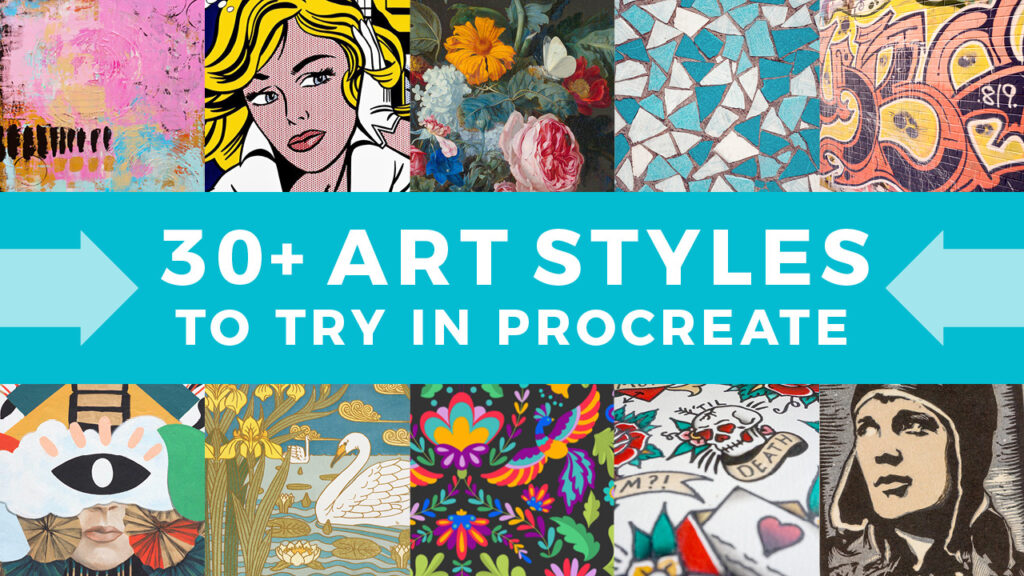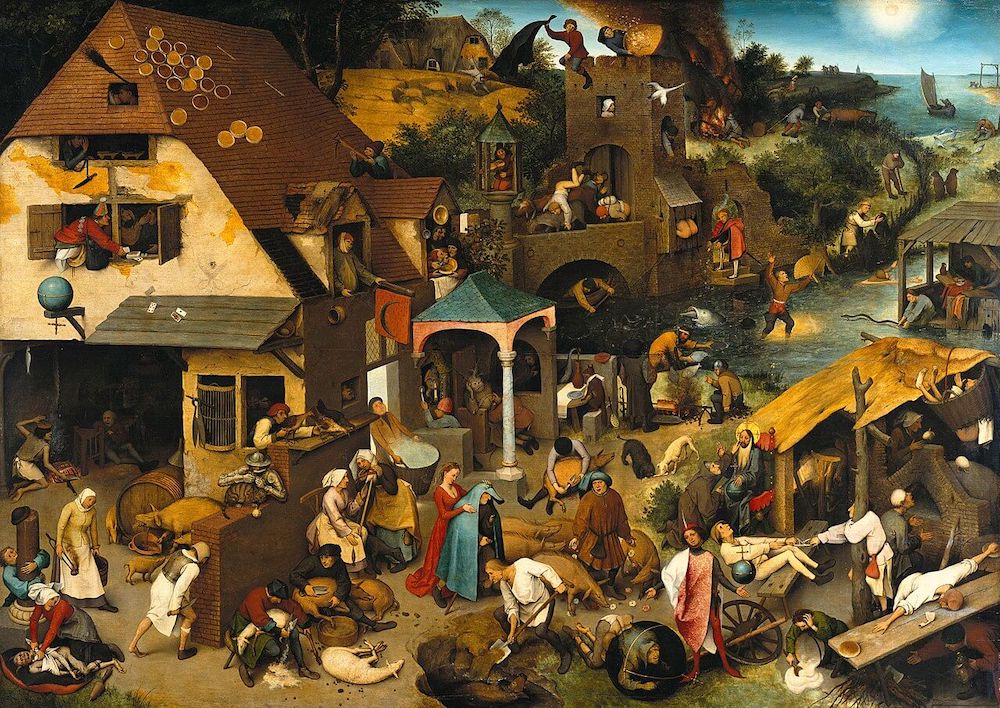
 Art, an enigmatic and multifarious term, often eludes a singular, encompassing definition. The concept of art transcends mere visual aesthetics, encapsulating a vast spectrum of human expression and creativity. It is an ever-evolving phenomenon, reflecting the zeitgeist of various epochs and cultures. In its broadest sense, art is a form of communication, a vehicle through which emotions, ideas, and narratives are conveyed. It beckons us to ponder, to feel, and to connect on a profoundly human level.
Historical Perspectives on Art
The genesis of art can be traced back to prehistoric times, where primitive cave paintings and sculptures signify early human attempts at self-expression. These rudimentary forms of art were more than mere depictions; they were imbued with spiritual and ritualistic significance. As civilizations flourished, so did the complexity and diversity of artistic endeavors. Ancient Egypt, with its meticulous hieroglyphs and grandiose monuments, epitomized the intertwining of art and religion. Similarly, the classical antiquity of Greece and Rome celebrated humanism, symmetry, and proportion, laying the groundwork for Western art traditions.
The Evolution of Artistic Movements
The Renaissance heralded a rebirth of art and culture, emphasizing realism, perspective, and human anatomy. Luminaries such as Leonardo da Vinci and Michelangelo revolutionized the art world with their masterful techniques and visionary works. Subsequent movements, from Baroque’s dramatic flair to the Romanticism of the 19th century, each brought unique perspectives and styles, reflecting the ever-changing human condition and societal norms. The advent of modernism in the late 19th and early 20th centuries marked a radical departure from traditional forms, embracing abstraction, experimentation, and new mediums.
Art in Contemporary Context
Contemporary art, characterized by its diversity and boundary-pushing ethos, defies easy categorization. It encompasses a myriad of forms, from digital art and installations to performance pieces and street art. The democratization of art through digital platforms has amplified voices and perspectives previously marginalized. This inclusivity has enriched the concept of art, making it more reflective of global diversity and modern sensibilities. Moreover, contemporary art often engages with pressing social, political, and environmental issues, challenging audiences to confront and question the world around them.
The Subjective Nature of Art
Art is inherently subjective, with interpretations and appreciations varying widely among individuals. What one perceives as a masterpiece, another may deem trivial. This subjectivity is not a limitation but rather a testament to art’s profound ability to resonate on multiple levels. The emotional and intellectual responses elicited by art are as diverse as the human experience itself. This plurality of perspectives enriches the artistic discourse, fostering a dynamic and vibrant cultural landscape.
The Role of the Artist
Artists, the progenitors of creative expression, play a pivotal role in shaping and redefining the concept of art. They are the visionaries who, through their unique lens, interpret and transform the mundane into the extraordinary. The artist’s journey is often one of exploration and introspection, grappling with both personal and universal themes. Whether through traditional mediums like painting and sculpture or through avant-garde approaches like conceptual art and digital installations, artists challenge conventions and expand the boundaries of what art can be.
Art and Society
The interplay between art and society is intricate and symbiotic. Art reflects societal values, aspirations, and anxieties, while also influencing cultural norms and ideologies. It serves as both a mirror and a catalyst, documenting historical moments and inspiring change. Throughout history, art has been a powerful tool for social commentary and political activism, giving voice to the marginalized and sparking movements. In this capacity, art transcends aesthetics, becoming a potent medium for advocacy and transformation.
The Therapeutic Value of Art
Beyond its aesthetic and cultural significance, art possesses profound therapeutic benefits. Engaging with art, whether through creation or appreciation, can have a salubrious effect on mental and emotional well-being. Art therapy, a burgeoning field, leverages the creative process to facilitate healing and self-discovery. The act of creating art can serve as a cathartic outlet for emotions, fostering a sense of achievement and personal growth. Similarly, experiencing art can provide solace, inspiration, and a sense of connection, enhancing overall quality of life.
The Future of Art
As we navigate an increasingly digital and interconnected world, the future of art is poised to be dynamic and multifaceted. Emerging technologies, such as virtual reality and artificial intelligence, are expanding the possibilities of artistic creation and experience. These innovations are not merely tools but transformative agents, redefining the boundaries and potential of art. The concept of art will undoubtedly continue to evolve, reflecting the ever-changing tapestry of human creativity and expression. The future promises a rich confluence of tradition and innovation, where the timeless allure of art endures amidst a rapidly shifting cultural landscape.
In essence, art is an indelible facet of human existence, a testament to our enduring quest for meaning, beauty, and connection. Its myriad forms and interpretations enrich our lives, offering windows into the diverse tapestry of human experience. By exploring the concept of art, we gain deeper insight into ourselves and the world around us, fostering empathy, understanding, and a profound appreciation for the creative spirit that unites us all.