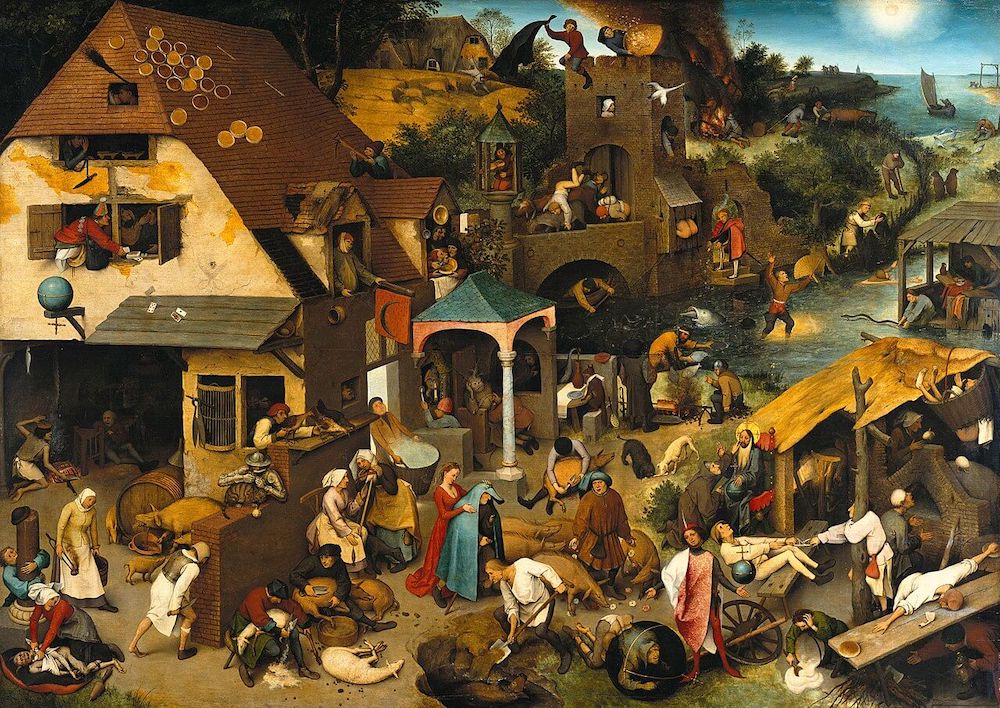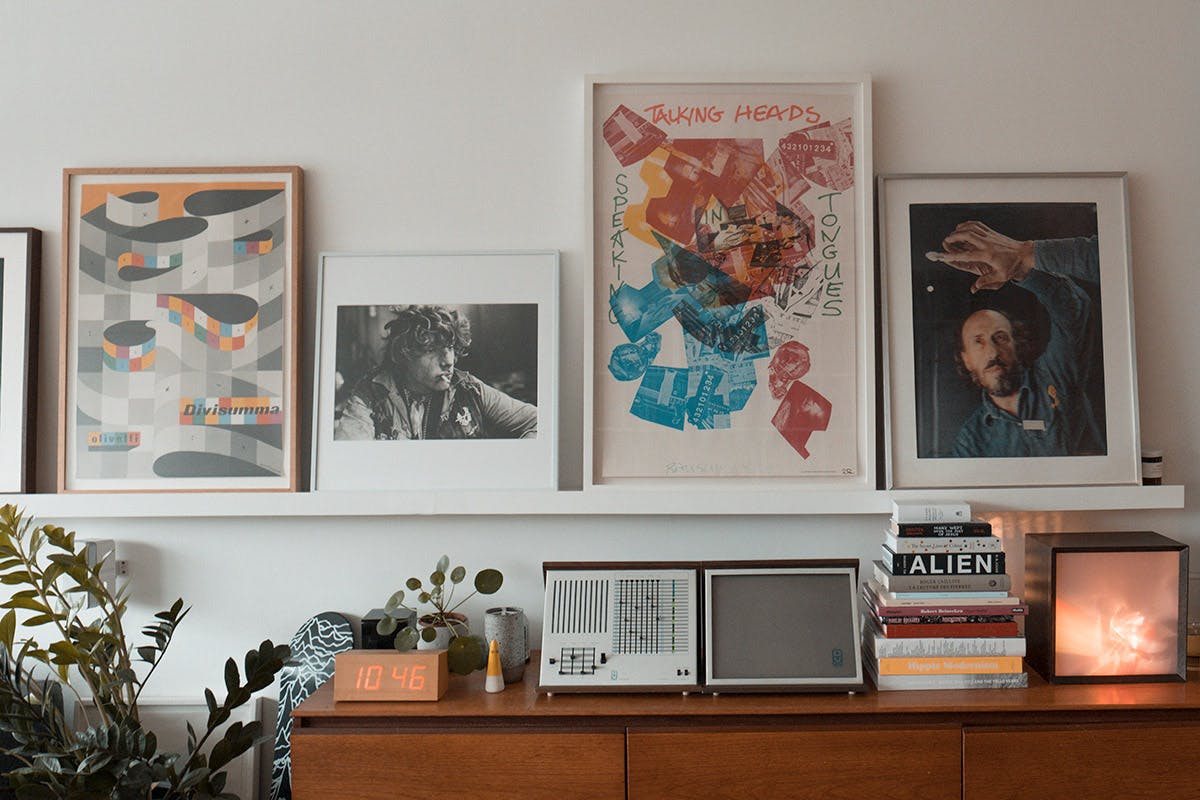
 Embarking on the journey of building an Art Collection is an endeavor that combines passion, knowledge, and strategy. This pursuit not only enhances your personal space with aesthetic treasures but also connects you with the broader cultural and historical tapestry of art. Whether you are drawn to the bold strokes of contemporary pieces or the nuanced details of classical works, starting an Art Collection requires a thoughtful approach to ensure it reflects your tastes and grows in value over time.
Understanding Your Taste
The first step in starting an art collection is to understand your own preferences. Spend time visiting galleries, museums, and art fairs to immerse yourself in different styles, mediums, and periods. Take note of what resonates with you—be it abstract paintings, sculpture, photography, or mixed media. This exploration will help you identify the themes and aesthetics that appeal to you, providing a foundation for your collection.
Setting a Budget
Establishing a budget is crucial for any art collector. Determine how much you are willing to invest initially and consider the long-term financial commitment of building your collection. Keep in mind that the value of art can appreciate over time, but it is also essential to purchase pieces you genuinely love. Balancing passion with financial prudence will help you make informed decisions and avoid impulsive buys.
Research and Education
Knowledge is power in the art world. Educate yourself about the artists, movements, and historical contexts of the pieces you are interested in. Read books, attend lectures, and subscribe to art journals to deepen your understanding. Engage with art historians, gallery owners, and other collectors to gain insights and perspectives. This research will equip you with the information needed to make confident and informed purchases.
Building Relationships
Building relationships with art professionals is invaluable. Establish connections with gallery owners, curators, and artists. These relationships can provide access to exclusive works, early exhibition previews, and insider knowledge about upcoming trends and opportunities. Networking within the art community can also offer mentorship and guidance, particularly beneficial for novice collectors.
Making Your First Purchase
When making your first purchase, take your time to ensure it aligns with your taste, budget, and the knowledge you have acquired. Start with smaller, more affordable pieces from emerging artists. These can be excellent investments as their careers develop. Pay attention to the provenance and condition of the artwork, as these factors significantly impact its value. Trust your instincts, but also rely on the expertise of those you have connected with.
Diversifying Your Collection
As your collection grows, consider diversifying it to include various mediums, genres, and artists. This diversity not only enriches your collection aesthetically but also spreads investment risk. Balance contemporary works with historical pieces, and include both established and emerging artists. This eclectic mix will make your collection more dynamic and reflective of the broad spectrum of art.
Care and Preservation
Proper care and preservation of your art are essential to maintain its value and longevity. Ensure that artworks are displayed away from direct sunlight and in controlled environments to prevent damage. Invest in quality framing and consider professional conservation services for delicate or older pieces. Regular maintenance and inspections will help preserve the integrity of your collection.
Documentation and Provenance
Keeping thorough documentation of your collection is crucial. Maintain records of purchase receipts, provenance, artist information, and any appraisals. This documentation not only adds to the artwork’s value but also provides a comprehensive history for future generations or potential sales. Provenance, in particular, is critical in establishing authenticity and historical significance.
Evaluating and Growing Your Collection
Periodically evaluate your collection to ensure it continues to align with your interests and goals. Consider selling or trading pieces that no longer resonate with you to make room for new acquisitions. Stay informed about market trends and emerging artists to keep your collection dynamic and relevant. Growing your collection is an ongoing process that evolves with your personal taste and the art world’s changing landscape.
Starting an Art Collection is a journey that combines personal passion with informed decision-making. By understanding your taste, setting a budget, educating yourself, and building meaningful relationships within the art community, you can create a collection that is both personally fulfilling and potentially valuable. With careful curation, diligent care, and a commitment to ongoing learning, your collection will not only enrich your life but also stand as a testament to the timeless allure of art.